
Why Sleep Should Be Part of Women’s Healthcare
Women’s health is often managed through multiple clinical specialties. Gynecologists, physicians, endocrinologists, psychiatrists, neurologists and other healthcare professionals may encounter women with sleep complaints in their routine practice.
However, sleep is not always systematically assessed.
A few simple questions can provide important clinical information:
How many hours do you sleep?
Do you have difficulty falling or staying asleep?
Do you wake feeling refreshed?
Do you snore or have breathing pauses during sleep?
Do you experience excessive daytime sleepiness?
Have your sleep symptoms changed with menstruation, pregnancy or menopause?
These questions can help identify patients who may require more detailed sleep assessment.
When Should a Doctor Consider a Sleep Evaluation?
Women’s health is often managed through multiple clinical specialties. Gynecologists, physicians, endocrinologists, psychiatrists, neurologists and other healthcare professionals may encounter women with sleep complaints in their routine practice.
However, sleep is not always systematically assessed.
A few simple questions can provide important clinical information:
How many hours do you sleep?
Do you have difficulty falling or staying asleep?
Do you wake feeling refreshed?
Do you snore or have breathing pauses during sleep?
Do you experience excessive daytime sleepiness?
Have your sleep symptoms changed with menstruation, pregnancy or menopause?
These questions can help identify patients who may require more detailed sleep assessment.
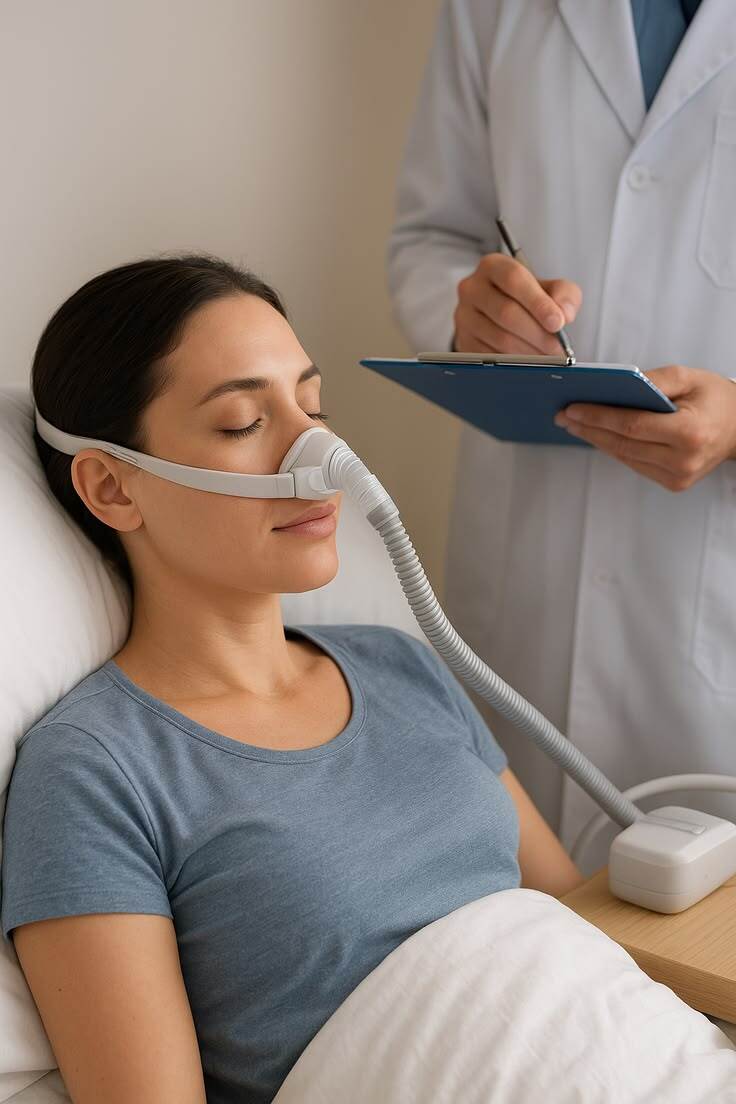
The Need for Women’s Sleep Medicine Education
The relationship between sleep, hormones and women’s health is complex.
For healthcare professionals, developing competence in women’s sleep medicine can help bridge the gap between conventional women’s healthcare and sleep medicine.
Doctors who understand sleep can potentially recognize overlooked sleep disorders, identify patients who require specialist evaluation and incorporate sleep health into broader clinical management.
This is particularly relevant for specialists who routinely care for women across different stages of life.
Learn More About Women’s Sleep Medicine
To address the growing need for clinical education in this area, Sleep Medicine Institute (SMI) has introduced the:
Certificate Course in Women, Hormones & Sleep
The program is designed for healthcare professionals who want to develop a deeper understanding of the relationship between women’s health, hormonal changes and sleep.
The course brings together concepts from women’s health and sleep medicine, covering clinically relevant areas across the female lifespan.
It is designed to help doctors understand how to identify, evaluate and approach sleep-related concerns in women and integrate sleep medicine into clinical practice.
Interested in developing your expertise in Women’s Sleep Medicine?
Explore the Certificate Course in Women, Hormones & Sleep by Sleep Medicine Institute.
Frequently Asked Questions
- Why is women’s sleep medicine important?
Women experience unique hormonal, reproductive and physiological changes that can influence sleep. Understanding these factors can help doctors recognize sleep disorders that may otherwise be overlooked.
- What are common sleep disorders in women?
Common problems include insomnia, obstructive sleep apnea, restless legs syndrome, sleep-disordered breathing and sleep disturbances associated with pregnancy and menopause.
- Can menopause affect sleep?
Yes. Hormonal changes, hot flashes, night sweats and other menopausal symptoms can significantly affect sleep. Persistent sleep complaints should also prompt consideration of an underlying sleep disorder.
- Can PMOS affect sleep?
PMOS can coexist with sleep problems and metabolic risk factors associated with sleep-disordered breathing. Sleep should therefore be considered when evaluating women with PMOS and related symptoms.
- Should doctors screen women for sleep disorders?
When women report persistent insomnia, excessive daytime sleepiness, snoring, non-restorative sleep or other significant sleep complaints, appropriate sleep assessment should be considered.
Sleep is not simply a lifestyle issue—it is an important component of clinical care.
For doctors, understanding Women’s Sleep Medicine can help bring sleep into conversations around hormones, reproductive health, metabolic health, mental health and healthy ageing.
Better understanding. Better assessment. Better care.