
Are Sleep Problems Hereditary? How Your Genetic Makeup Influences Your Sleep

Whether you get a good night’s sleep depends on numerous characteristics. Sleep is an extremely complex behaviour. It is divided into Rapid Eye Movement (REM) and Non-Rapid Eye Movement (NREM) sleep. Dreaming occurs during REM sleep and is important to help us process our emotions. The circadian rhythm and homeostasis are the biological mechanisms that work together to regulate sleep. While factors such as increased screen time, intake of caffeine before bed, lack of physical exercise etc, may leave you tossing and turning and bed, or with insomnia, the question you can ask is whether your poor sleep is all because of your poor sleep hygiene or does poor sleep have a genetic component and is it hereditary? Kids require around 9.5 hours of sleep daily whereas it varies from 7-9 hours in an adult. For older people above the age of 60, the amount of night sleep decreases and is interrupted frequently. Getting regular, quality sleep is an important part of our daily routine for normal functioning and is necessary for vital functions such as memory formation. Genetic Component of Sleep Although a definite set of genes that control sleep are not yet known, there are a few genes that play an important role in maintaining the circadian rhythm. These include the clock genes e.g. Per, Tim, etc. There is also evidence that heredity plays an important role in the quality and quantity of our sleep by the fact that sleep studies have shown that identical twins (that share the same genetic material) have similar hypnograms or sleep graphs. Sleep Disorders and Genetics Very often it has been observed that there is a family history of sleep onset and sleep maintenance disorders. Insomnia: It is a sleep disorder that makes it difficult for the person to fall asleep difficult to stay asleep and difficult to sleep again after waking up at night. About 35% of people that suffer from insomnia have a positive family history. Most often, the mother of the person suffering from Insomnia has also been affected with Insomnia. Fatal Familial Insomnia: It is a rare brain disorder, which is caused by a mutation in the PRNP gene and leads to the degeneration of the brain. It is mostly transmitted genetically and it is very rare for a person without a family history of Fatal Familial Insomnia to suffer from it. Restless legs syndrome (RLS): It is a sleep disorder in which a person experiences an uncomfortable feeling and has the uncontrollable urge to move the legs when he is resting or is inactive. It generally occurs in the evening or at night. Around 40-60% of patients suffering from RLS have a family history of it. Earlier onset of the condition is observed in persons with a positive family history. Genetic linkage studies indicate that RLS1 on chromosome 12q, RLS2 on 14q, RLS3 on chromosome 9p, RLS4 on chromosome 2q; and RLS5 on chromosome 20p are the known chromosome loci that play a role in this disorder. Identical twins often share similar symptoms of RLS. Periodic Limb Movement Syndrome (PLMS): PLMS is a condition of sleep in which the limbs move involuntarily every 10 to 20 seconds while sleeping. It is strongly associated with four genes: MEIS1, BTBD9, MAP2K5, and SKOR1. The genetic variants of these alleles pose a 50% risk for RLS. Variation in BTBD9 alleles is associated only with PLMS. It is indirectly associated with RLS as it decreases ferritin levels and poses a risk for onset of RLS. Conclusion Hence, we can conclude that indeed poor sleep is hereditary. There are some genes that when inherited put the person at a greater risk of developing certain sleep disorders. Thus, it is necessary to trace a patient’s family history in order to manage and treat their sleep disorder effectively. To seek help or know more about sleep and its genetic factors, you can visit the Neurology and Sleep Centre, the 1st sleep centre in the country accredited by Indian Board of Sleep Medicine at L-23, Hauz Khas Enclave, New Delhi, Delhi-110016 (INDIA) Or give a call on +91-11-46070321, +91-9643500270 References Bastien, C. H., & Morin, C. M. (2000). Familial incidence of insomnia. Journal of sleep research, 9(1), 49–54. https://doi.org/10.1046/j.1365-2869.2000.00182.x Bidaki, R., Zarei, M., Khorram Toosi, A., & Hakim Shooshtari, M. (2012). A review on genetics of sleep disorders. Iranian journal of psychiatry and behavioral sciences, 6(1), 12–19. Parish J. M. (2013). Genetic and immunologic aspects of sleep and sleep disorders. Chest, 143(5), 1489–1499. https://doi.org/10.1378/chest.12-1219 Basics, B. (2006). Understanding sleep. National Institute of Neurological Disorders and Stroke, Bethesda.https://www.ninds.nih.gov/Disorders/Patient-Caregiver-Education/Understanding-Sleep Tafti M. (2009). Genetic aspects of normal and disturbed sleep. Sleep medicine, 10 Suppl 1, S17–S21. https://doi.org/10.1016/j.sleep.2009.07.002
How will i know if my CPAP is really helping me Deal with my Sleep Apnea?
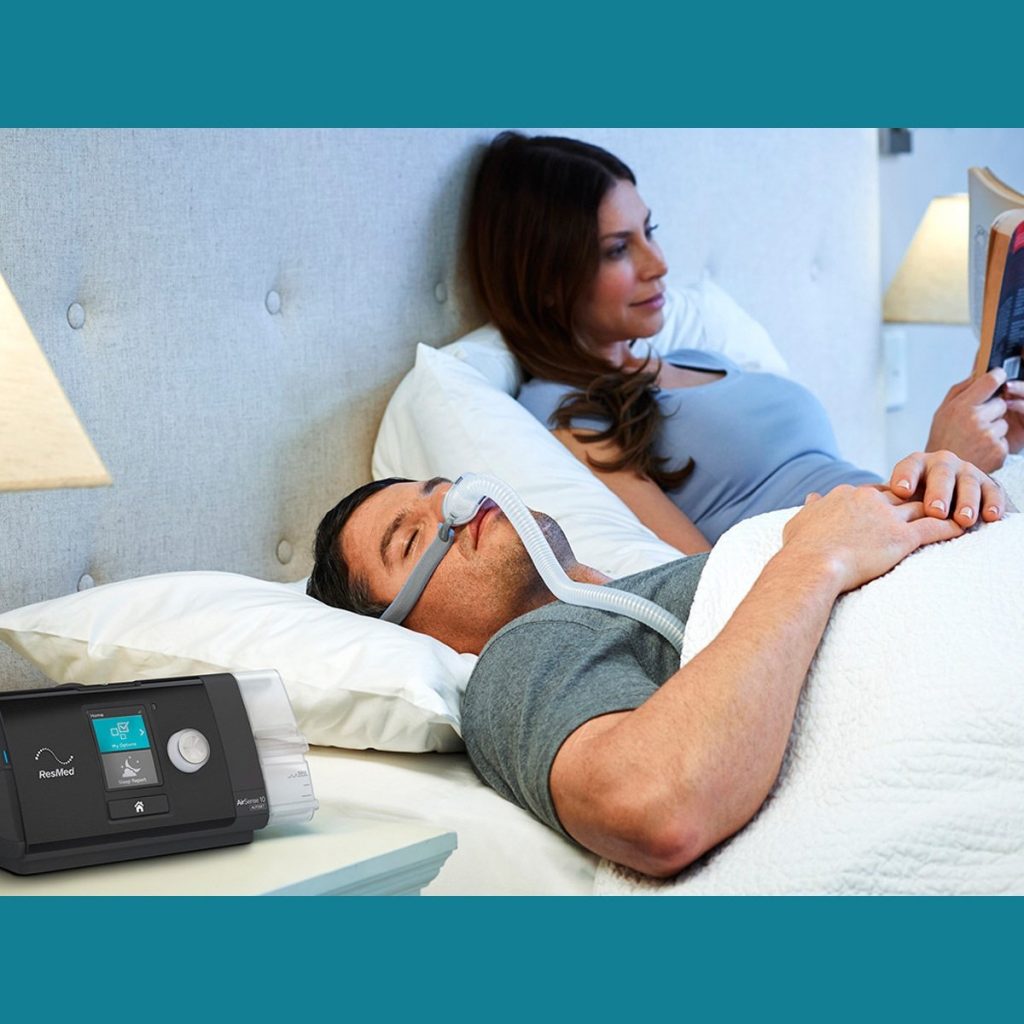
If you or your loved one suffers from Sleep Apnea, then you must surely have heard your doctor suggest the use of CPAP or Continuous Positive Airway Pressure Therapy for it. It is a machine that helps to keep the airway free and without obstruction so that you can breathe normally while you sleep through the night. The benefits of CPAP vary among people. Some people may see the effects of CPAP immediately while others may only see it gradually. So how will you know if your CPAP is really working for you? To know if your CPAP is working or not start observing the following symptoms before and after using CPAP:- The Night symptoms of Sleep Apnea include: choking, snoring, nocturia, mouth/throat dryness, Once you start using CPAP, you should compare the quality of night sleep by observing the following symptoms – like how much choking and snoring has decreased, how much mouth dryness or throat dryness has decreased, how much the urination cycle at night decreased, etc. Any improvement in these symptoms will indicate that CPAP is working for you. The Day symptoms of Sleep Apnea include not feeling fresh in the morning, morning headache, dozing off while driving, loss of concentration, etc. If a patient does not get enough sleep at night he’ll be tired, fatigued and sleepy during the day time. After starting the use of CPAP, you must observe and compare to see if there are any improvements in the Day Symptoms of Sleep Apnea as well. Control on current medical condition: People suffering from Sleep Apnea also often suffer from other comorbidities such as diabetes, hypertension, cardiac disorders, etc. If CPAP is working for you, you will see that it helps to keep these medical conditions in check and prevents them from getting worse. Prevention of future medical complications: One of the benefits of CPAP is that long term use has better effects. CPAP can help to prevent future medical complications. Untreated Sleep Apnea is dangerous and will definitely lead to multiple complications in the future. In conclusion, though CPAP helps some people immediately, the benefits of CPAP are not seen immediately in some cases and may take a while longer such as a few weeks to see the effects. In such cases, the patient may get disheartened or frustrated but should not stop the use of CPAP. One must consult with their medical practitioner regarding whether they are using the machine properly or whether there may be a defect in the machine. If Sleep Apnea is left untreated, it can create future medical complications, and hence, it must not be ignored. The longer the CPAP machine is used, the better the effects are seen. If even after long-term use, no benefits are seen, then one must consult with their doctor who would further guide them. Buy it Now! To seek help or know more about CPAP for Sleep Apnea, you can visit the Neurology and Sleep Centre, the 1st sleep centre in the country accredited by the Indian Board of Sleep Medicine at L-23, Hauz Khas Enclave, New Delhi, Delhi-110016 (INDIA) Or give a call on +91-11-46070321, +91-9643500270
A Good Night’s Sleep Helps in Skin Regeneration and Enhances Overall Beauty

Introduction A good night’s sleep is vital when it comes to our skin and beauty. Our skin regenerates at night while sleeping. People who get good quality and quantity of sleep have healthier skin as it can retain moisture well and produce enough collagen. It heals faster than someone who is sleep deprived. It decreases the incidence of skin disorders and acne. Lack of sleep has a devastating effect on the skin and is visible in the form of rough, dull, dry skin, dark circles, and droopy eyelids. According to a visual assessment study published in Sleep in the year 2013, sleep deprived individuals have more wrinkles, paler skin, fine lines, redder and swollen eyes. Effect of sleep deprivation on skin Sleep deprivation over activates the sympathetic nervous system. This then activates the hypothalamic-pituitary-adrenal axis which increases secretion of glucocorticoids. This adversely affects the integrity of lamellar bodies on the keratinocytes of skin, thereby impairing the barrier produced by them. A study published in the Journal of Cosmetics, Dermatological Sciences and Applications in 2017 reveals that acute sleep deprivation for 42 hours led to increase in activity of natural killer cells, decrease in recovery of skin barrier and production of inflammatory cytokines which include plasma interleukin-1β and tumor necrosis factor-α. Other effects of sleep deprivation on the skin: It weakens our immune system, which impairs the integrity of the collagen fibres, thus reducing the strength and integrity of the skin. It causes skin scaling, which occurs due to dehydration. This results in decreased skin translucency indicating a reduced dermal organisation. Chronic poor sleep speeds up intrinsic aging. It also Increase in pore size. It changes in skin tone – Lightness of cheek skin decreases significantly. Ways to improve sleep: Improving your sleep can help you increase the quality of your skin. Relaxing activities a few hours prior to sleep helps in maintaining the circadian rhythm. Staying away from electronic devices (to avoid exposure to blue light) and trying out reading, yoga etc. can serve to be a very fruitful modification. Trying to sleep 15 minutes prior to the normal bedtime on a regular basis can help fix late sleeping habits. Keeping the sleep duration around 7-9 hours gives enough time to the body and the skin to get rid of all the fatigue and regenerate. Avoiding alcohol at night as it alters the production of melatonin and elevation of growth hormone, both of which have an important role in the maintenance of circadian rhythm. Exposing oneself to morning sunlight and bright light during the day helps us to stay awake and avoid irregular daytime naps, thereby fixing our circadian rhythm. Avoiding caffeine consumption in the evening. Conclusion Less sleep also affects us in other ways. It affects our mood, skin, eyes, nose etc, which are important for communication. In the long run, it can decrease our ability to function in society. Thus, it is essential to get regular, good night sleep. It improves our lifestyle and improves self-perception. It has a long-lasting positive impact not only on our beauty but also our mental and physical health and shall help deal with all sorts of age-related disorders in a better way. To seek help or know more sleep and how it affects beauty, you can visit the Neurology and Sleep Centre, the 1st sleep centre in the country accredited by Indian Board of Sleep Medicine at L-23, Hauz Khas Enclave, New Delhi, Delhi-110016 (INDIA) Or give a call on +91-11-46070321, +91-9643500270
Hypersomnia Symptoms

Look Out for the Signs of Hypersomnia to Avoid the Impaired Quality of Life Hypersomnia is a condition wherein the person either suffers from excessive daytime sleepiness (EDS) or spends excessive time sleeping. It is characterized by prolonged nighttime sleep and recurrent episodes of sleepiness during the daytime. The individual suffers from an uncontrolled need to take a nap at inappropriate times such as during work while driving while having a conversation with someone etc. However, even after this nap, they are not relieved from their tiredness. It is seen to affect men more than women. About 4-6% of the population suffers from this disorder and around 15-30% of individuals that suffer from sleep disorders are affected by Hypersomnia. Causes of Hypersomnia Narcolepsy: Narcolepsy accompanied by cataplexy is one of the most common causes of hypersomnia. It is a chronic neurological sleep disorder that is characterized by excessive daytime sleepiness, sudden sleep attacks, sleep paralysis, hallucinations, sleepwalking, and naps that are extremely refreshing unlike in the case of hypersomnia. Nocturnal sleep is disrupted in narcolepsy. Its prevalence is approximately 25 to 50 per 100,000 people in the general population. Insufficient sleep: It is one of the main causes of Hypersomnia and is commonly seen in night shift workers and people with poor sleep hygiene. Medications: People undergoing treatment for some disorders that are taking medications such as antihistamines, tranquilizers, etc can also suffer from hypersomnia. Drug abuse and excessive alcohol intake can also lead to it. Neurological Condition: People suffering from Parkinson’s disease, epilepsy, tumors, obesity, hypothyroidism, brain injuries and other diseases of the nervous system can suffer from Hypersomnia. Psychiatric disorders: Mood disorders such as depression, bipolar disorder, etc cause hypersomnia Genetics: People with a family history of Hypersomnia are at a greater risk of developing it. Central Disorders of Hypersomnia The central disorders of hypersomnia include: Narcolepsy type I – This is characterized by an irresistible need to sleep during the daytime for more than three months. It is accompanied by cataplexy and a decrease in levels of hypocretin-1 in the CSF. Narcolepsy type II – The symptoms for this are the same as that type I excluding cataplexy. In both types of narcolepsy, mean sleep latency is ≤ 8 min and two or more sleep-onset REM periods in multiple sleep latency tests. Idiopathic hypersomnia – It is excessive sleepiness even after uninterrupted 6-7 hours of night sleep for more than 3 months. Neurotransmitters (like dopamine, histamine) and genetics play a role. It is often associated with cognitive dysfunction. Sleep drunkenness and unrefreshing sleep are common symptoms. Kleine-Levin Syndrome – Individuals suffering from this rare disorder experience abnormally long episodes of sleep(16-20 hrs/day) for days or weeks. During these episodes, the person loses normal cognitive and perceptive abilities. Symptoms of Hypersomnia Along with Excessive Daytime Sleepiness, the other symptoms of Hypersomnia include: Anxiety Irritation Restlessness Slow thinking Difficulty in remembering things Slow speech Hallucinations Sleepiness even after 10 hours or more of night time sleep. Diagnosis of Hypersomnia Your medical professional or doctor will be able to diagnose whether you are suffering from Hypersomnia on the basis of a detailed medical history, questionnaires, and sleep studies. The following methods are sued for diagnosis: Polysomnography: This test measure the brain waves, showing the difference between wakefulness and different stages of sleep. Sleep diary: This is done to keep a proper track of sleep duration and its pattern Epworth sleepiness scale: It is a questionnaire that the individual is asked to fill where he has to rate himself on a scale of 0 to 3. A higher score indicates a higher sleep propensity. Multiple Sleep Latency Test: This is used to diagnose excessive sleepiness by measuring the tendency to fall asleep in a controlled setup. Along with these tests, MRI scans, EEG, and blood tests are also useful. Treatment of Hypersomnia There are some behavioral measures that help in the management of Hypersomnia. Dietary changes such as avoiding caffeine and alcohol and lifestyle changes such as regular and scheduled sleep are extremely important for the management of this condition. Behavioral therapies aimed at improving sleep quality are also useful. When these lifestyle changes do not work, medications such as stimulants, antidepressants, monoamine oxidase inhibitors, levodopa, etc are prescribed. Conclusion In conclusion, hypersomnia is a condition that greatly affects the quality of life. Hence, it is important to address it properly with the help of a trained professional. Maintaining healthy sleep, food and other lifestyle habits can help us prevent it. To seek help or know more about Hypersomnia, you can visit the Neurology and Sleep Centre, the 1st sleep centre in the country accredited by the Indian Board of Sleep Medicine at L-23, Hauz Khas Enclave, New Delhi, Delhi-110016 (INDIA) Or give a call on +91-11-46070321, +91-9643500270 References Arand, D. L., & Bonnet, M. H. (2019). The multiple sleep latency test. Handbook of clinical neurology, 160, 393–403. Guilleminault, C., & Brooks, S. N. (2001). Excessive daytime sleepiness: a challenge for the practicing neurologist. Brain: a journal of neurology, 124(Pt 8), 1482–1491. Ohayon M. M. (2008). From wakefulness to excessive sleepiness: what we know and still need to know. Sleep medicine reviews, 12(2), 129–141.
What is Parkinson’s Disease?

PARKINSON’S DISEASE: It is a brain disorder due to a decrease in the chemical (Dopamine) usually occurs around 60 years but few can have early onset that is before the age of 50. Symptoms Parkinson’s disease signs and symptoms can be different for everyone. Early signs may be mild and go unnoticed. Symptoms often begin on one side of your body and usually remain worse on that side, even after symptoms begin to affect both sides. Parkinson’s signs and symptoms may include: Tremor. A tremor, or shaking, usually begins in a limb, often your hand or fingers. You may rub your thumb and forefinger back and forth, known as a pill-rolling tremor. Your hand may tremble when it’s at rest. Slowed movement (bradykinesia). Over time, Parkinson’s disease may slow your movement, making simple tasks difficult and time-consuming. Rigid muscles. Muscle stiffness may occur in any part of your body. The stiff muscles can be painful and limit your range of motion. Impaired posture and balance. Your posture may become stooped, or you may have balance problems as a result of Parkinson’s disease. Loss of automatic movements. You may have a decreased ability to perform unconscious movements, including blinking, smiling or swinging your arms when you walk. Speech changes. You may speak softly, quickly, slur or hesitate before talking. Your speech may be more of a monotone rather than have the usual inflections. Writing changes. It may become hard to write, and your writing may appear small. Causes In Parkinson’s disease, certain nerve cells (neurons) in the brain gradually break down or die. Many of the symptoms are due to a loss of neurons that produce a chemical messenger in your brain called dopamine. The cause of Parkinson’s disease is unknown, but several factors appear to play a role, including: Genes. Researchers have identified specific genetic mutations that can cause Parkinson’s disease. But these are uncommon except in rare cases with many family members affected by Parkinson’s disease.However, certain gene variations appear to increase the risk of Parkinson’s disease but with a relatively small risk of Parkinson’s disease for each of these genetic markers. Environmental triggers. Exposure to certain toxins or environmental factors may increase the risk of later Parkinson’s disease, but the risk is relatively small. Risk factors Risk factors for Parkinson’s disease include: Age. Young adults rarely experience Parkinson’s disease. It ordinarily begins in middle or late life, and the risk increases with age. People usually develop the disease around age 60 or older. Heredity. Having a close relative with Parkinson’s disease increases the chances that you’ll develop the disease. However, your risks are still small unless you have many relatives in your family with Parkinson’s disease. Sex. Men are more likely to develop Parkinson’s disease than are women. Exposure to toxins. Ongoing exposure to herbicides and pesticides may slightly increase your risk of Parkinson’s disease. Complications Parkinson’s disease is often accompanied by these additional problems, which may be treatable: Thinking difficulties. You may experience cognitive problems (dementia) and thinking difficulties. These usually occur in the later stages of Parkinson’s disease. Such cognitive problems aren’t very responsive to medications. Depression and emotional changes. You may experience depression, sometimes in the very early stages. Receiving treatment for depression can make it easier to handle the other challenges of Parkinson’s disease.You may also experience other emotional changes, such as fear, anxiety or loss of motivation. Doctors may give you medications to treat these symptoms. Swallowing problems. You may develop difficulties with swallowing as your condition progresses. Saliva may accumulate in your mouth due to slowed swallowing, leading to drooling. Chewing and eating problems. Late-stage Parkinson’s disease affects the muscles in your mouth, making chewing difficult. This can lead to choking and poor nutrition. Sleep problems and sleep disorders. People with Parkinson’s disease often have sleep problems, including waking up frequently throughout the night, waking up early or falling asleep during the day.People may also experience rapid eye movement sleep behavior disorder, which involves acting out your dreams. Medications may help your sleep problems. You may also experience: Blood pressure changes. You may feel dizzy or lightheaded when you stand due to a sudden drop in blood pressure (orthostatic hypotension). Smell dysfunction. You may experience problems with your sense of smell. You may have difficulty identifying certain odors or the difference between odors. Fatigue. Many people with Parkinson’s disease lose energy and experience fatigue, especially later in the day. The cause isn’t always known. Pain. Some people with Parkinson’s disease experience pain, either in specific areas of their bodies or throughout their bodies. Treatment: Numerous medications are available that can relief symptoms. Role of physical occupational speech therapy is very important. Surgery can be done in a few cases when decided by the specialist. When to see a doctor See your doctor if you have any of the symptoms associated with Parkinson’s disease — not only to diagnose your condition but also to rule out other causes for your symptoms. Reference-Mayo Clinic To seek help or know more about sleep and anxiety, you can visit the Neurology and Sleep Centre, the 1st sleep centre in the country accredited by the Indian Board of Sleep Medicine at L-23, Hauz Khas Enclave, New Delhi, Delhi-110016 (INDIA) Or give a call on +91-11-46070321, +91-9643500270
Responsibilities & Skills for a Receptionist at Pvt. Clinic

Who is the receptionist? The receptionist is a very important staff of the center, in the face of the center/point of first contact. She/he takes care of the whole reception and helps to provide all relevant information to patients or callers. What characteristics should have in receptionists? There are some general & few specific ones. Following characteristics should have: Should be pleasant, calm, and polite. Should be punctual & organisational abilities. Should be familiar with use of the computer, internet and additional software for prescription / billing. Should have adequate knowledge of all the procedures conducted at the clinic. Should have good communication skills. Should have be able to make quick decisions. What are the role and responsibilities? Greetings to patients and make them comfortable. Attend all calls and queries, messages and emails of the patients and callers. Help them to book an appointment, fill up. After consultation or test provide the prescription / reports / bills etc. Payment collection. Help them to understand about next visit for follow up consultation and other services. To inform them how they can contact if they want to reach us, (phone, messages, email etc.) Maintain patients records. Manage stock / supplies required in clinic (water, glasses, tea, coffee, brochures, stationery stock etc.) Summary: A receptionist’s role is very important to enable the smooth, efficient working of the clinic. It requires a high degree of multi-tasking ability. There should be continuous training / upskilling of the staff to ensure well organized functioning. To seek help or know more about sleep and neurological related problems you can visit the Neurology and Sleep Centre, the 1st sleep centre in the country accredited by the Indian Board of Sleep Medicine at L-23, Hauz Khas Enclave, New Delhi, Delhi-110016 (INDIA) Or give a call on +91-11-46070321, +91-9643500270
Measures One Can do to Maintain “Good Brain Health” By Dr.Manvir Bhatia & Ananya
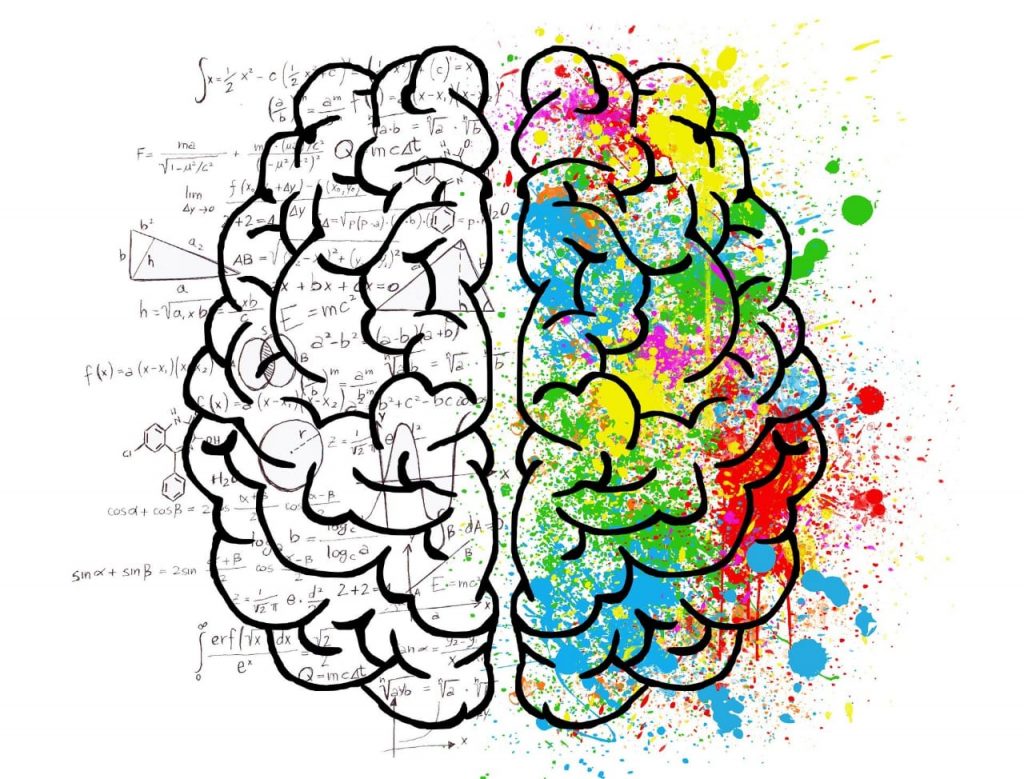
The brain is a vital part of the human body. It is the center that controls and coordinates all the thoughts, memory, emotions, and functions of the body. Keeping it functioning well and protecting it from neurological disorders is important. Health was defined by WHO in the year 1948 as “a state of complete physical, mental, and social well-being and not merely the absence of disease or infirmity”. To attain this, brain health should be the main priority of people. A healthy brain is defined as the state in which an individual is capable of realizing his own abilities to cope with situations in life and is able to optimize their cognitive, emotional, psychological, and behavioral functioning accordingly. Nowadays, this term is expanding further and includes concepts of neural development, plasticity, functioning, and recovery throughout life. Research published in BMC Public Health in 2018(Velten et al.), suggested that healthy lifestyle choices such as regular physical exercise, good diet, social interactions, etc. contributed to the improvement of mental health. The following measures should be taken to take care of brain health: Regular physical activity: Multiple research suggests the importance of exercise for our brain. Physical activity in any form such as walking to work, taking the stairs, engaging in sports, brisk walking, strength training, aerobic training, etc. is helpful in keeping our brain in shape. A study performed by Coelho et al, published in 2012 concluded that moderate-intensity physical exercises effectively increase the levels of brain-derived neurotrophic factor(BDNF), which is a protein involved in the maintenance and growth of neurons in the brain of the elderly. A 4 months-long study by Colcombe et al. compared the effect of aerobic and non-aerobic exercises on the brain. It suggested a significant increase in the amount of gray and white matter in the brain regions which suffer from age-related damage with respect to structure and cognition in elders who underwent aerobic exercise training. Sufficient sleep: A good quality sleep of 7 to 8 hours is essential for maintaining good brain health for adults and it maintains the attention-based and executive functions of the brain. According to the AARP Sleep and Brain Health Survey conducted in 2016, 44% of adults 50 years of age or older rated their quality of sleep as extremely good or very good; 84% said they were mostly well-rested in the morning, but only 33% reported being very satisfied with the amount of sleep they got daily. Factors affecting normal sleep : The shift in normal sleep pattern Insufficient exposure to sunlight Medication for the treatment of chronic diseases Diet A diet containing the following food items is recommended to enhance brain health: Vegetables – especially green, yellow and orange vegetables decrease risk of disease occurrence. Fruits Plant proteins Whole grains Fish Poultry Legumes Low sodium intake Low-fat and non-fat dairy products Polyunsaturated fatty acids(like omega 3 fatty acids) – Docosahexaenoic acid (DHA) is the most prevalent in the brain. This omega 3 fatty acid plays a role in maintaining plasticity of the neuronal membrane. Fish, walnuts, olives, canola, flaxseed, soybeans and sunflower seeds are a good source of PUFA. Caffeine and cocoa flavonoids – these contain antioxidants, which have a positive impact on brain health. Tea and coffee immediately increase mind alertness and dark chocolate is well known for cognitive enhancement. Such a healthy diet reduces the risk of neurodegeneration, increases cognitive functioning, decreases hypertension and the risk of cardiovascular diseases. Food items that one should avoid: Red meat Refined grains Sweets Trans-unsaturated fatty acids – It is mainly found in processed, fried and baked foods. Trans fats increase the levels of low density lipoprotein(LDL) and decrease levels of high density lipoproteins(HDL), thereby increasing the risk of heart disease, stroke, and type two diabetes. All these conditions affect brain health adversely. Tobacco Alcohol Mental activity: Our brain is a muscle. Hence, regular exercise is important for it to be healthy. Cognitively stimulating activities such as mind-teaser games(sudoku, puzzles), educational activities(learning a new language, a new instrument), intellectual inquiries, and mental challenges are very helpful. They mentally engage an individual and prompt them to think and process information. This helps in preserving the cognitive reserves and tends to decrease the incidence of age-related disorders of the brain. Social involvement: Human beings are social beings. Positive interaction with people and surroundings is good nutrition for our brain. In a study published in Cerebrum(2011) by Michelle C Carlson, known as The Experienced Corps Trial, the elderly population was engaged in local schools to promote purpose-driven involvement. The participants exhibited immediate short-term gains in the brain regions that are vulnerable to aging. Strong social bonds are great for boosting mental health. Loneliness is the gap between the level of social engagement a person actually has and the level that he wants. It may lead to mental and social disorders. There are various ways to tackle it, for example, meeting more people, investing in human-animal relationships (keeping pets, volunteering for animals, etc.), taking up a hobby that demands interaction with many people, etc. Emotional stability: Stress, especially for a prolonged period, leads to an increase in the levels of cortisol. This hormone has a long-term negative effect on the brain and might cause inflammation which gives rise to reactive oxygen species(ROS), thereby damaging neurons. Regular meditation(even for 5-10 minutes) helps us to deal with anxiety, depression, fatigue, stress, and inflammation, making us emotionally strong and stable. Digital detox: Keeping all electronic devices away 30-60 minutes before going to sleep is a good way to maintain a good quality of sleep and brain health. Take care of your overall health: Our brain and body are dependent on each other. Maintaining good physical health is important for a healthy brain. The following need to be taken care of: Cardiovascular system – Conditions like high blood pressure, cholesterol, increased heart rate, etc. are extremely stressful for our brain and tend to increase the risk of dementia, Alzheimer’s etc. Blood sugar – Diabetes and high blood sugar(without diabetes) make an individual susceptible to dementia. Therefore, it
Fatigue affects our Physical, Cognitive, and Emotional Conditions

All of us have a good idea of how those days feel when we want to do nothing. The laziness that seeps in makes us feel unenergetic and we often say, “I don’t know why I am feeling so tired today”. Experiencing this once in a while is normal, but if this becomes a regular thing, it might require more attention. In layman’s terms, fatigue is a well-known feeling of overall tiredness and lack of energy. It is used to describe a decrease in physical activity and the real or perceived difficulty in performing a task. There isn’t a single mechanism or factor that can induce or increase stress. It is a complex mechanism and involves abnormalities of the CNS, PNS dysfunction, or any skeletal muscle disease. Fatigue affects our physical, cognitive, and emotional condition. It also negatively impacts our work, relationships, and social behavior. There is a close relationship between physical and mental stress but, there are different pathophysiological mechanisms causing the same. Mental fatigue is a state of reduced mental alertness. It impairs one’s performance at work. It mostly occurs as a result of working on a cognitively demanding task for a long period of time. Physical fatigue is the decrease in the efficiency of the skeletal muscles. It occurs due to a variety of underlying conditions such as metabolic disorders, neuroendocrine dysfunction, etc. Classification of fatigue: Secondary fatigue – it may be caused by an underlying medication that may last for about a month or longer. It generally lasts for less than six months. Physiologic fatigue – it is due to the imbalance in the daily routines of exercise, sleep, diet, etc., and not due to some underlying medical condition. Chronic fatigue – it is a very severe form of fatigue and lasts for more than six months. It is not relieved by stress. It severely deteriorates the quality of life and the rate of recovery is only around 5%. Causes of fatigue: Stress: stress and fatigue are deeply correlated. A very high relation has been observed between fatigue, tension and lack of joy. Low socioeconomic status and poor self-perceived overall health are the two major causes of stress, causing fatigue. Depression – Mental fatigue is mostly the outcome of partially treated depression. Medications used in the treatment of depression also induce fatigue. Sleep: Sleep is an extremely important part of life. Incomplete or poor-quality sleep makes the brain tired, negatively affecting our health and concentration. Getting a good quality sleep of 7 to 8 hours regularly is necessary. A person suffering from sleep apnea gets disturbed sleep and might always feel tired. Neurological disorders: There are neurological disorders like Parkinson’s, multiple sclerosis, myasthenia gravis, traumatic brain injury, etc., that are associated with fatigue. Around 83% of patients with multiple sclerosis experience fatigue as one of the most common symptoms. Damage of brain structures and lesions in the CNS in the case of MS causes fatigue. Diet: A healthy balanced diet helps us maintain overall good health. Eating too little or too much deep-fried junk food makes us sluggish and irritable. Fatigue can also be caused by dehydration and excessive caffeine intake. Sometimes an individual might be unaware of mild allergies we have from a certain food. Having those food items can make us feel very tired. Medications: Medication classes that are commonly associated with fatigue, although sometimes only in the first week or two of use, include sedative-hypnotics, antidepressants, muscle relaxants, opioids, antihypertensives, antihistamines, and many types of antibiotics. Anemia: This is one of the main causes of fatigue in women. Red blood cells are important because they carry oxygen to tissues and cells, thereby providing us with energy via complex cellular mechanisms. Loss of RBCs during the menstrual blood flow often leads to iron deficiency, putting women at a higher risk. Anemia due to GI tract bleeding is also a cause. Thyroid: People suffering from hypothyroidism tend to be very sluggish and inactive due to a decrease in basal metabolism. In the case of hyperthyroidism, the basal metabolism speeds up. This overactivity causes fatigue. Diabetes: Diabetes is the abnormal levels of sugar in the blood. This high level remains in the blood as it does not enter the cells to be further converted into energy. It may persist even after the normal glycemic levels have been achieved. Hidden UTI: Burning pain and a sensation of urgency are the common symptoms of UTI. But, the symptoms might not always be the same. In some cases, fatigue might be the only symptom. Cardiovascular diseases: Sometimes people experience a sudden flash of fatigue while performing regular activities. This may be an indication of the fact that our heart is not functioning efficiently. Fatigue often is the first clinical manifestation of any sort of cardiovascular disease. Diagnosis of fatigue: As mentioned earlier, there isn’t a single cause of fatigue. It is a multidimensional and nonspecific condition. Therefore, an individual with complaints of tiredness needs to be diagnosed with fatigue with the help of a questionnaire. This actually helps a physician to differentiate between sleepiness and fatigue. Once fatigue is confirmed, it becomes important to screen for unhealthy lifestyle choices, underlying health conditions, and the mental state of the person. In case of unexplained fatigue, laboratory tests such as complete blood count, thyroid, pregnancy, HIV, etc. should be conducted. Management: Medications that might be the cause of fatigue must be replaced or discontinued if possible. In case of any diseases associated with anaemia, the haemoglobin level of the patient must be maintained at least at 10g/L. Regular moderate aerobic exercise(e.g. 30 minutes of brisk walking, yoga etc.) is very helpful for improvement. Psychostimulants are helpful for short term management of fatigue. Adequate sleep, good sleep hygiene, increase in engagement in various activities in the daytime, increasing exposure to sunlight, taking a bath within two hours of sleep etc. are some steps that should be taken to reduce physiological stress. Conclusion: Fatigue is a very common symptom in our lives.
Brain Fog Symptoms

Those foggy mornings, when we really cannot see anything clearly while walking or driving, are a real nuisance. We lack clarity of vision and it becomes really difficult to keep going ahead. A similar condition occurs in the case of brain fog. A person feels cloudy-headed. It may happen due to overworking, stress, excessive exposure to blue light, or some other underlying medical condition. It becomes extremely frustrating after a point and It is characterized by confusion, forgetfulness, lack of mental clarity, and lack of focus. High levels of inflammation and hormonal disturbance are responsible at the cellular level. It can also lead to other comorbidities such as diabetes, obesity, abnormal menstruation, etc. Symptoms of brain fog include: It becomes extremely difficult for an individual to focus on a particular thought or idea. An individual is unable to recall things. Falling asleep becomes a challenge. A person tends to suffer from insomnia. Headaches and mood swings become extremely common. A lack of motivation makes one feel less energetic. Causes of brain fog: Stress: It has the capability of increasing blood pressure, weakening our immune system, increasing anxiety, and triggering depression. It makes the brain exhausted, making it difficult for us to focus. Medication: Intake of some medications might make us foggy. These include anticholinergics, antihistamine treatment for the management of allergies, etc. Chemotherapy and drugs used during cancer treatment are extremely strong and affect a person’s ability to think, focus and multitask. This effect is generally short-lived, but sometimes it continues for a very long time. Depression: Depression causes a loss of energy and motivation. People tend to become less enthusiastic. This affects our brain such that it causes fog. Lack of sleep: Some people experience this(brain fog) occasionally if they haven’t slept well. A regular, good quality sleep of 7-9 hours is optimal for us. Long-term sleep deprivation also negatively impacts our thinking capability. Chronic inflammatory diseases – Includes conditions like rheumatoid arthritis, multiple sclerosis(MS), and Sjogren’s syndrome. Inflammation in any part of the body, in general, tends to affect the brain. It decreases the volume of grey matter in the inferior parietal lobe. Such patients tend to suffer from chronic pain, fatigue, and anxiety, which distracts them and affects their ability to think and focus well. The medications used in the treatment of these conditions are also responsible for the same. Multiple sclerosis adversely damages the central nervous system. Therefore, it raises the condition of brain fog as there are issues with memory, planning, language, and attention. Hormonal changes: A balanced level of hormones is important for us to think clearly and be efficient. A few conditions that result in hormonal changes are listed below: Pregnancy – During pregnancy, the levels of estrogen and progesterone increase. This is the time when women are overwhelmed, and sensitive and find it difficult to focus and control their emotions. Menopause – A decrease in the levels of estrogen adversely affects concentration levels. At this stage of life, women find it very hard to learn new things and remember them. Thyroid – hypothyroidism adversely affects many organs of the body, including the brain. It affects our ability to concentrate, think and perform. COVID-19 infection – It can cause inflammation in the brain, which adversely affects the ability of the neurons to communicate with each other, thereby causing brain fog. Indirectly, the anxiety and pandemic caused by the pandemic has also contributed to this condition. Chronic fatigue syndrome – We suffer from this when both our body and brain are tired for a very long period of time. One is unable to think properly and focus. It is also common in the case of a variety of health conditions such as neuroimmune diseases, fibromyalgia, autism spectrum disorders, Alzheimer’s disease, etc. Disorders of mast cell activation are majorly responsible. Ways to reduce brain fog: Enough sleep: Sleep serves as a drainage system for our body to remove toxins that may be involved in the feeling of brain fog. Following a fixed sleep routine, practicing good sleep hygiene, and avoiding electronic devices at least two hours before sleep is helpful in getting quality sleep. Regular exercise: Exercise makes us tired. This helps us sleep well and then be fresh and active. Good quality diet: Food rich in vitamins, especially B12 can be very helpful to fight brain fog. Also, intake of food that we are mildly allergic to shall be avoided. Prolonged hunger and dehydration should be avoided at all costs. Avoiding multitasking: Our brain gets extremely tired when we try to multitask. It drains our energy and lowers our efficiency. Mental breaks – Our mind is a machine that needs some rest after strenuous work. These breaks should be such that one thinks about nothing. Keeping our eyes closed for some time, going out for a walk, and indulging in relaxing hobbies are a few ideal ways. Meditation is also a great way to relax our minds. Efforts to focus attention – Nowadays, people are constantly distracted all the time by various things. This makes them quite restless, as anything concrete does not seem to get done. We should consciously try to focus our attention on a single task no matter how small it is and try to complete it. Try new things – Our brain needs new interests on a regular basis to stay stimulated. Reading a new genre of a book every month, taking a different route to work, trying to cook something new, etc., are a few activities where our brain stimulates itself to think. Brain fog has the general symptom of confusion and tiredness. It can be extremely frustrating If this continues for a long time, immediate measures should be taken to deal with it. Seeking out therapy and making appropriate lifestyle changes can be extremely effective to alleviate this condition. References: Callan, C., Ladds, E., Husain, L., Pattinson, K., & Greenhalgh, T. (2022). ‘I can’t cope with multiple inputs’: a qualitative study of the lived experience of ‘brain fog’ after COVID-19. BMJ Open, 12(2), e056366.
World Sleep Day

We feel fresh and energetic after a good sleep. To celebrate such good sleep, World Sleep Day is celebrated annually. Addressing the problems related to sleep is also a purpose of this day. It has been organized by the World Sleep Day Committee of the World Sleep Society since 2008. It is celebrated on Friday each year before Spring Vernal Equinox. This year, it falls on the 18th of March and the theme for it is Quality Sleep, Sound Mind, and Happy World. History: This initiative was first taken by dedicated healthcare professionals – Liborio Parrino, MD, Associate Professor of Neurology at Parma University, Italy, and Antonio Culebras, MD, Professor of Neurology, Upstate Medical University, and Consultant, The Sleep Center, Community General Hospital, Syracuse, New York, USA. The main goal of the first World Sleep Day was to discuss and promote the importance of sleep across the globe. We, at Sleep Medicine Institute, a division of Neurology and Sleep Centre, New Delhi, have been organizing programs regarding awareness about the importance of good sleep, sleep hygiene, etc. for the past 15 years. Benefits of good sleep: Just like breathing, eating, and drinking, sleep is a compulsory and essential part of our life. It is the time when our body shreds away all its exhaustion and re-energizes itself. Sleep helps in repairing our heart and blood vessels. Sleep deficiency for a long period of time makes an individual vulnerable to heart, kidney, and liver diseases. It also reduces the risk of obesity in all age groups. It keeps a balanced level of hormones in our body: Food hormones: Ghrelin makes us feel hungry and leptin makes us feel full. In the case of sleep deprivation, the levels of ghrelin go up and that of leptin goes down. This makes us feel hungry more than usual, increasing the risk of obesity. Insulin: This hormone regulates the blood sugar levels in our body. Less sleep might interfere with its action and high blood sugar levels have been reported. This increases the risk of diabetes. Sleep supports normal growth and development. This is the reason why infants require around 12 to 16 hours of sleep on a regular basis. It boosts our immune system, helping us to fight against infections. It is vital for learning and remembering information. It enhances our learning, decision-making, and problem-solving ability. Sleep is necessary for keeping our emotions under control and staying mentally healthy. Sleep deficiency is linked to depression, suicidal tendency, etc. Sleep deficient kids and teenagers often have problems getting along with others. They might become aggressive, depressed, lack motivation, and are not very attentive. Good quality of sleep helps us to be efficient(at work and school) and safe. Driver sleepiness significantly contributes to road accidents. Ways to get good quality and quantity of sleep: Physical exercise – Regular physical exercise such as brisk walking, cardio workouts, yoga, etc. not only helps us stay fit but also sleep well at night. Exercising, especially in the morning, helps maintain our circadian rhythm. Sticking to a single sleep time – going to sleep every day at the same time adjusts our body clock such that we automatically start feeling sleepy at that time. Fixing the sleep hours becomes very important and sleeping for the same duration every day makes us feel less tired. This helps us avoid daytime sleep. Diet – Eating a limited quantity of food at least two hours before bedtime is a good measure towards good sleep. A hungry or an overfull stomach makes us feel uneasy, and it becomes very difficult to fall asleep. Avoiding acidic food at night is also helpful. Avoid stimulants – Caffeine and nicotine are stimulants and their effect takes hours to wear off. Hence, coffee, chocolates, and tea are to be avoided before going to bed. Surprisingly, alcohol also has the same effect. It makes one feel drowsy for some time but disrupts late night sleep. Celebration of World Sleep Day at Neurology and Sleep Centre, New Delhi. Addressing worries and stress – Taking efforts to address our worries before bedtime helps us to relax and sleep well. Planning our day and getting most of our work done on or before time saves us from stress. A piling up to do list makes us anxious, which kicks in the fight or flight hormone. This hormone works against sleep. Restful environment – A cool, dark and quiet place works well. Too many lights make it difficult to fall asleep. Keeping an ambience of our bedroom such that it induces sleep is a good step. One should avoid looking at television or phone before going to bed. If a person is unable to fall asleep, relaxing activities like reading a book, listening to soothing music, meditation etc. are helpful. Sleep ritual – As kids, most of us had the habit of falling asleep while listening to a story or lullaby. Similarly, creating a ritual, which stimulates sleep for example, taking a shower before bed, drinking a glass of warm milk, etc. can improve our quality of sleep. Professional help – If the above measures do not bring good results, seeking professional medical help is a good choice. Underlying conditions like sleep apnea, restless leg syndrome etc. should be addressed and the medications should be taken carefully and regularly. Self participation: Educate people around you about the benefits of good sleep. Organize a small event where people can interact and talk about their sleep habits and exchange ideas about sleep hygiene and promote this idea. Coordinate with healthcare professionals to promote the idea of good sleep. References: https://worldsleepday.org/ https://www.nhlbi.nih.gov/health-topics/sleep-deprivation-and-deficiency https://www.health.harvard.edu/newsletter_article/8-secrets-to-a-good-nights-sleep https://www.mayoclinic.org/healthy-lifestyle/adult-health/in-depth/sleep/art-20048379