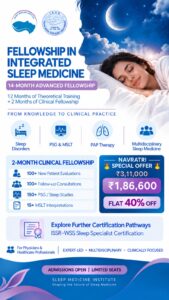

Kickstart your knowledge about the Science of Sleep and Sleep Medicine
Kickstart your knowledge about the science of Sleep and Sleep Medicine This blog will encompass Basic Course in Sleep Medicine, Advance modules & comprehensive courses to help you grow your knowledge in the field of sleep medicine. As you know the sleep medicine field has grown rapidly in the last few years. Patients with sleep issues present to physicians of all specialties. It is important to know the sleep disorders in order to diagnose them and provide appropriate improvement. Active diagnosis and management is possible after gaining knowledge about the specialty . Keeping this in our vision, a first of its kind , an online platform to enable one to learn about Sleep and common sleep disorders was launched in 2020 by Dr. Manvir Bhatia for physicians, technicians, technologists, patients and to all those who wish to improve their awareness of sleep related problems and sleep disorders. Sleep medicine institute deals a wide range of educational choices. Our well recognized and learned faculty who are stalwarts in this field form an integral part of the family. We aim to prepare our students with the skills to assimilate this knowledge into the ever-changing landscape of healthcare which helps them stay up to date in their industry. Sleep Medicine Institute, is a division of Neurology & Sleep Centre( is a one stop solution for treatment, training, teaching & community awareness for sleep related issues & neurological disorders.) The courses are of 2 categories—those with multiple modules eg ( Comprehensive Management of OSA:An ENT Persepctive,Pediatric Sleep Medicine:A Clinical Approach,Dental Sleep Medicine Course) and other being single modules . The response has been very encouraging, the institute has trained more than 150 Doctors/Therapists and Technicians, majority of them rating the quality of the course as 5 star. Basic course in sleep medicine is intended to offer a complete state-of-the-art method to the diagnosis of sleep disorders.. This 3 month online course, covers all structures of sleep medicine and technology. Starting with base knowledge about normal respiratory and sleep physiology, it will also cover all sleep disorders and their treatment, including applied application of sleep disorders assessment and management. You will be trained about existing practice in sleep science, as well as introduced to new and sensational developments for the future. This course is a concentrated introduction to the ground of sleep medicine. It is significant for all those new to the field and mentioned for those who would like to revive their information base. Contributors will be able to review thoughts, obtain up-to-date systematic data and applied tips, to proficiently and truthfully analyze sleep disorders. Knowledge & Skills you stand to gain: Recognize the essentials of sleep functioning Assess a sleep patient Classify the main corresponding tests in sleep medicine Recognize the specific necessities for execution of sleep lab Be able to make a patient to complete a sleep study Gain involvement with polysomnography scoring Cover the basic applied skills required including wiring up, troubleshooting and report explanation – develop and improve these core practical skills Interaction with new research and developing knowledge in sleep medicine Define standard developing sleep changes across the lifespan. Clarify ordinary sleep patterns, common sleep disorders and co-morbid sleep disorders. Discuss possibly opposing health products associated with sleep disorders. Apply information of sleep into a health valuation, patient’s health care plan, and patient teaching. Observe risk factors of sleep disorders and label interferences to promote necessary sleep. Appraise and enlighten sleep problems associated with co-morbid and chronic conditions and appropriate involvements to promote sleep. Investigate evidence-based methods to evaluate sleep related data and findings of sleep research articles An MCQ pattern will be conducted at the end of the arrangement and the trainee is predictable to clear to receive a completion certification. Doctors with post graduate qualification in Internal Medicine, Chest Medicine, Psychiatry, Neurology and ENT, Physicians, Medical trainees with special interest in sleep medicine and Sleep technologists should consider taking up this course. We have various Advance modules & courses from eminent national and international faculties. These are online pre-recorded which will give you complete array of knowledge on sleep medicine. They are as following- 1.Snoring can be your practice builder Faculty-Dr. Deepak Shrivastava Learning objectives Physiologic mechanisms and prevalence of snoring How snoring causes a major health care burden? What is the association of snoring to cardiovascular disease? How snoring can be effectively managed before it causes further damage? Review of the available current clinical evidence regarding impact of snoring 2.Insomnia overview (causes & management) Faculty-Dr. Manvir Bhatia and Dr. Ravi Gupta Learning objectives Classifications of Insomnia Understand the Pathophysiology of Insomnia Evaluation of Patients with Insomnia Offer best possible treatment options to patients with Insomnia 3. Multiple Sleep Latency Test & Maintenance Of Wakefulness Test Faculty-Dr. Manvir Bhatia Learning Objectives What Is Mslt, Mwt? When to perform MSLT, MWT? How are these tests performed? What are normal and what are abnormal results? 4.Circadian Rhythm – Basic Concept Building Faculty- Dr. Karuna Datta Learning Objectives Enumerate the basic principles of Circadian Rhythm. Illustrate various ways in which these principles can be used for therapy 5.Neurobiology of Sleep Faculty-Dr. P.N Ravindra / Dr. Bindu Kutty Learning Objectives Overview of neural substrates of sleep (NREM, REM & DREAM) Interaction to maintain sleep and wake states Physiology of sleep Importance of sleep in health 6.Advances In Narcolepsy And Hypersomnia Faculty-Dr. Preeti Devnani Learning Objectives Recognize the key clinical symptoms of hypersomnia Emphasize evidence based management strategies Discuss newer treatment approaches 7.Cbt For Insomnia Faculty-Ravi Gupta Learning Objectives Initiate and conduct multi-component CBT to patients with chronic insomnia Identify use of individual modules based on patient’s clinical features Identify reasons for non-compliance and address them 8.Efficacy Of Cpap Therapy For Osa Faculty-Dr. Deepak Shrivastava Learning Objectives Review the effects of CPAP on daytime sleepiness and quality of life Review of CPAP efficacy in multiple comorbid medical conditions Review of cardiovascular functional improvement by use of CPAP Review controversy in CPAP literature and its benefit to the patient compliance Review of the available current clinical evidence to support use of CPAP 9.Build
Circadian Rhythm

‘Early to bed and early to rise makes a person healthy, wealthy and wise.’ This is a very old saying that all of us have heard from our elders. The true essence of it can be understood only when one knows about the natural clocks, also called the circadian clocks present in our body. The circadian clock is a controller of all sorts of biological processes which follow a 24 hour cycle. These processes include brain-wave activity, sleep-wake cycles, body temperature, hormone secretion, blood pressure, cell regeneration, metabolism and behaviour. The circadian clock of mammals and humans have a central clock and numerous peripheral clocks in the tissues. The central one is the master clock, also called the circadian pacemaker, which is present in the suprachiasmatic nucleus(SCN) located in the hypothalamus of the brain. This master clock is influenced by environmental cues, especially light. This master clock synchronises the functions of the other peripheral clocks. Among the various circadian rhythms, the sleep wake cycle is a very important one. Significance of circadian rhythm: ●This rhythm is important for maintenance of good, restorative sleep. A good sleep helps us to be safe while performing various activities, like driving, cooking etc. ● It regulates release of hormones that are responsible for various vital functions in the body. ● It is significant for metabolic activities of the body, especially lipid metabolism. It also plays a role in thermogenesis and energy homeostasis. ● It is also essential for neurodevelopmental processes. Factors regulating the circadian rhythm: The human clock is generally longer than 24 hours. There are regular cycling environmental cues that entrain it to be 24 hours. These factors called zeitgebers, are external time giving cues which include: Light – For the circadian rhythm, light is the strongest entraining agent. Information about the light-dark cycle is relayed from the retina to the SCN. This is done primarily via the retinohypothalamic tract which is a neural pathway distinct from the visual system. The timing of light exposure is extremely crucial. It determines its ability to bring about changes in the timing of circadian rhythms. In humans, exposure to bright light in the early morning induces phase advances, whereas light exposure in the evening delays the phase of circadian rhythms. Temperature – There is a close relation between the circadian cycles of sleep and temperature. Sleep is majorly initiated in the evening when the core body temperature(CBT) declines. By the next morning, this temperature reaches its minimum and then starts rising again. This is when our major sleep period ends. Our CBT is lower when we are asleep as compared to when we are awake. Body temperature nadir is reached around one and half to two hours before sleep timing. If this is somehow altered, it affects the onset of sleep as well as awakening from sleep. Hormones: ● Melatonin – It is less effective as compared to bright light, but it has circadian phase shifting properties. The SCN regulates the timing of melatonin release from the pineal gland. Its secretion is suppressed by exposure to bright light. The levels of endogenous melatonin begin to rise approximately 2 hours before sleep onset. It remains elevated during the habitual sleep hours and is responsible for the circadian expression of various clock genes. ● Cortisol – This hormone keeps us alert and active and is released more during the day. Exposure to light in the night can also trigger its release instead of melatonin. There are genetic factors that regulate circadian rhythm : At the molecular level, the circadian rhythm is regulated by a transcriptional feedback loop. This loop consists of two components: Positive limb – These include the genes Clock and Bmal1 Negative limb – It consists of Per (Per1 and, Per2) and Cry (Cry1 and Cry2) genes. The CLOCK:BMAL1 heterodimer initiates the transcription by binding to specific DNA elements, E-boxes (5′-CACGTG-3′) and E′-boxes (5′-CACGTT-3′) in the promoters of target genes. This activates the Per (Per1 and, Per2) and Cry (Cry1 and Cry2) genes. These produce the proteins PER and CRY respectively. These proteins bind to the CLOCK:BMAL1 heterodimer bound to the E-boxes and inhibit them from further activation of Per and Cry genes. Once the PER and CRY proteins are degraded, the CLOCK:BMAL1 heterodimer can once again promote the production of Per and Cry genes. Conditions that can disrupt the Circadian Rhythm: Jet lag – This condition generally arises when a person travels to different time zones. It is generally experienced by people who take intercontinental flights. The effect continues until a person is able to adjust with the day-night timings of the new place. Shift Work Disorder – A number of jobs these days are such that it requires people to work through the night or up till late night. This severely disrupts their sleep wake cycle as they sleep during the daylight hours. Light from electronic devices at night – White light is made up of seven colours. Out of these, blue light is the most detrimental to sleep. Exposure to blue light emitted from fluorescent and LED lights, screens of tablets, computers, mobiles, etc. during the sensitive periods trigger the photoreceptors in the retina to send signals capable of suppressing the release of melatonin. This causes a major shift in circadian rhythm. Delayed sleep phase disorders(DSPD) – This is associated with people who tend to stay awake late in the night(night owls) and sleep till late in the morning. It generally affects 0.1 or 0.2% of the population but impacts upto 16% of teens. It presents itself as sleep onset insomnia and sleep sets in between 2 to 6 AM and one is not able to wake up on time for work, school, etc. Genetic mechanisms may also play a role. For example, the DSPD phenotype has been associated with polymorphisms of the circadian genes, Clock and Per3. Non 24 hour sleep wake disorder – Blind people are mostly affected by it as they do not receive the light cues in their
Online Sleep Medicine Course: Why to Enroll? Who should Enroll?

What is online education? The lives of people in the field of healthcare and medicine are very eventful and busy. Be it doctors, interns, nurses, pathologists etc. all of them have packed schedules. Their devotion to the profession is what gives them the strength to keep working hard and learn something new everyday. Online education can boost their knowledge and skills irrespective of the time constraints. Online education is the use of the internet via electronic devices such as laptops, mobile phones and other electronic devices to gain knowledge about a variety of topics. It allows mentors to reach out to a large number of learners. It allows students without access to traditional classes, working individuals and home-makers to learn new skills and topics. This mode of education has an edge over classroom learning because of its flexibility with respect to speed and time of learning, cost effectiveness and networking opportunities with people of different backgrounds. What is sleep medicine? Sleep is essential to survival. It is important for growth, normal functioning of the brain and other organs of the body and helps our tired body to re energize itself. Getting good quality sleep regularly is a priority. The duration depends mainly upon the health and age of an individual. Sleep medicine is the field of study that focuses on diagnosis and treatment of sleep disorders. Specialists in this field have special training that gives them the expertise to diagnose and treat sleep problems and disorders. They can treat a wide range of disorders related to sleep, such as breathing problems, abnormal activity during sleep, insomnia, hypersomnia, etc. Patients with sleep issues can present to all disciplines and sleep issues can occur alone or co-exist with other medical conditions. Thus it is essential for specialists, physician's surgeons in all disciplines of medicine to be familiar with the conditions. Factors responsible for sleep problems: A number of factors are responsible for sleep disorders and its disruption. This can vary depending on the type of disorder. A few of them are listed below. Gender – Females are more prone to sleep disorders( Insomnia , RLS) as compared to males. Lung disease – Both obstructive and restrictive lung diseases are associated with sleep problems. Renal diseases – About 80% of patients suffering from end stage renal disorders have reported sleep disorders. The symptoms include difficulty falling asleep, awakenings in the middle of the night, waking up too early, restless legs, jerking legs, and daytime sleepiness. Endocrine disorders – Hypothyroidism and acromegaly are associated with Obstructive Sleep Apnea(OSA). Diabetes is associated with sleep disturbance, difficulty in falling asleep and maintaining a good quality sleep. Short duration sleepers are more prone to diabetes as compared to long duration sleepers. Also, glucose tolerance is impaired in patients with OSA. According to a study published in the Journal of Family Medicine and Primary Care(Bhaskar et al; 2016), with increasing age, diabetic patients are more likely to suffer from insomnia. Infectious diseases – People with acute infection need more sleep. This may be due to the action of the immune system by the release of cytokines. People infected with influenza virus tend to sleep more during the symptomatic phase as compared to the incubation phase. Lyme disease, hepatitis B and C, brucellosis are infections in which the patient suffers from difficulty in getting a good quality sleep. Patients with HIV have reported insomnia, excessive daytime sleepiness, and multiple awakenings at night very frequently. In a longitudinal study by Choudhary et al, published in Cureus, a significant prevalence of insomnia has been reported in COVID-19 patients upto 30 days post recovery. The social confinement and financial constraints experienced by people worldwide during the pandemic is a reason for sleep problems, fatigue and excessive sleepiness that they experienced. Menopause – Most women experience a lot of sleep related problem during menopause because of hot flashes, sleep apnea, restless legs syndrome, depression, and symptoms of fibromyalgia. Cancer – Patients undergoing cancer therapy(especially lung and breast cancer) commonly report hypersomnolence, excessive fatigue, insomnia and multiple awakenings. Neurologic disorders – These include Alzheimer’s, Parkinsons, epilepsy, etc. these patients report poor night sleep, rapid eye movement (REM) sleep behaviour disorder, insomnia, restless legs syndrome, etc. Pregnancy – According to a study by Mindell et al(Sleep medicine, 2015), around 75% women experience poor quality sleep during the whole period of pregnancy. All of the subjects reported night time awakenings. This is mainly due to the frequent urinations and the difficulty in finding a comfortable sleep position. Theyalso reported insomnia, day time sleep, restless leg syndrome, etc. Hence, keeping in mind the range of factors and diseases which can affect and be affected by sleep, it becomes extremely important for all physicians and specialists to screen and treat all their patients for any sleep related problems. Online sleep medicine courses can be extremely helpful for them. Who should enroll ? Doctors who preferably should have additional training in sleep medicine include: ●Anesthesiologists (surgical care and anaesthesia) ● Cardiologists (heart) ● Family physicians ● Internal medicine doctors ● Neurologists (brain and nervous system) ● Otolaryngologists (ear, nose and throat, or ENT, specialists) ● Paediatricians ● Psychiatrists ● Pulmonologists (lungs) ● Psychologists – for special training in treating sleep related behaviours and insomnia ● Dentists – some of them create and fit dental devices used to treat sleep apnea. Sleep medicine and management is emphasised upon very less in both undergraduate and postgraduate medical education in India. As a result, awareness about sleep(even among physicians) and presence of sleep labs across the country is very less. This also leaves patients unaware about the importance of sleep. They seldom realize that a health reason might be a result of sleep deprivation. Knowing the importance and significance of sleep in our life, online comprehensive courses on sleep medicine in India should be extremely helpful for medical practitioners at all levels. It will increase sleep awareness among people in the society, improve the quality of life of the individual and
Why You Should See a Sleep Specialist and What You Expect from the Visit?

When should you see a sleep specialist? Sleep is essential in order for the body to repair itself and work efficiently. According to the sleep foundation, almost 35.2% of Americans get less than seven hours of sleep every and night, and according to Wakefit. co which a Bengaluru-based sleep solutions start-up, around 67% of Indians suffer from sleep deprivation. Inadequate sleep can affect your physical and mental health, decrease productivity, cause inattentiveness, affect your memory and leave you lethargic. When do I see a sleep specialist? If you have any of the following symptoms, then you should consider visiting a sleep specialist: Persistent loud snoring Difficulty in falling asleep or unable to sleep throughout the night Gasping for breath in sleep Feeling lethargic throughout the day even after sleeping for 7-8 hours Uncontrollable urges to move your leg, discomfort in legs at bed time Who is a sleep specialist? The sleep specialist is a medical practitioner who diagnoses and treats sleep disorders, often trained in neurology, pulmonology psychiatry, pediatrics, ENT. These specialists study and train in sleep medicine. Sleep psychologists deal with behavioral aspects of sleep. Sleep specialists help you with the sleep disorders such as: Snoring or Obstructive Sleep Apnoea (OSA) may cause pausing of breath or difficulty in breathing during sleep Insomnia inability to fall asleep or remain asleep throughout the night Restless Leg Syndrome (RLS) uncontrollableurges or sensations making you restless at night Parasomnia walking or talking while asleep Narcolepsy uncontrollable desire to sleep , suddenly falling asleep during daytime What to expect on a visit to a sleep specialist? A sleep specialist will help you narrow down the cause of the disruption in sleep and treat it. They might ask you to stay overnight to undergo a sleep analysis or a polysomnogram. A polysomnogram consists of monitoring one’s sleep throughout the night and measuring the activity of different organ systems. It will include Electroencephalogram or EEG to measure your brain activity Electro-oculogram or EOG to measure the movement of your eyes Electromyogram or EMG to measure activity of your muscles Electrocardiogram or ECG to measure your heart rate and rhythm Pulse Oximetry test to keep track of changes in oxygen level of your blood Sleep specialists would help you treat your disorders in the best way based on these tests. Conclusion Sleep is the natural way of the body to revive itself. Disruption in sleep is the underlying cause of many problems such as obesity, high blood pressure, brain fog, heart problems, diabetes, etc. A sound sleep is necessary to remain healthy and hearty, which is just a visit away from a sleep specialist. To seek help or know more about Sleep Issues from a Sleep Specialist, you can visit the Neurology and Sleep Centre, the 1st sleep centre in the country accredited by the Indian Board of Sleep Medicine at L-23, Hauz Khas Enclave, New Delhi, Delhi-110016 (INDIA) Or give a call on +91-11-46070321, +91-9643500270, References: https://m.timesofindia.com/life-style/relationships/work/work-from-home-is-making-67-indian-suffer-from-sleep-deprivation-says-study/amp_articleshow/75126242.cms R. Gupta, S. Grover et.al (2020) Changes in sleep pattern and sleep quality during COVID-19 lockdown. Indian journal of Psychiatry. Volume 62 issue 4. 370-378.
Why You Should Keep Your Late-Night and Midnight Snacking Under Control

Why not to eat at Night? Some people have a habit of eating very late at night, eating just before going to bed, or even waking up in the middle of the night to snack on something. These habits though may not seem to be harmful, can be the reason for many metabolic and sleep issues. Nocturnal Eating and Weight Gain Most often, eating late at night is not a result of hunger, but because of habit. Due to the pandemic, many people have started going to sleep late and waking up late in the morning. Staying up until later, makes people want to eat, and very often, they do not choose to eat healthy food, but calorie-rich foods such as chocolates, chips, pizza, etc. When you snack on food during the day, your body gets the chance to burn off the consumed calories, but this does not happen at night. As a result, there is weight gain, since the calories consumed are far more than the number required. Nocturnal Eating and Sleep Delayed Sleep and multiple awakenings: Foods and drinks such as chocolates, coffee, tea, are rich in sugar and caffeine, may not only delay your already delayed bed time but also cause you to wake up several times at night. Acid Reflux and ingestion: People who snack at night tend to snack in large quantities. This can lead to indigestion and acid reflux Acid Reflux tends to get worse at night and may wake you in the middle of the night and cause difficulty falling back to sleep. Heartburn: Excessive eating can cause heartburn and the effects of heartburn exaggerate at night and cause uncomfortable sleep. Nocturnal Eating and Future Health Risks Nocturnal eating habits increase your risk of suffering from Obesity, Diabetes, and Heart Disease. Obesity: Having a calorie intake higher than what is required, leads to weight gain. Eating regularly late at night puts you at a risk of becoming obese which in turn leads to a number of health problems in itself. Diabetes: Nocturnal eating habits also puts you at a risk of developing diabetes later on in life, which will then restrict your food intake and put you at risk of developing secondary infections. Heart Risk: Snacking regularly at night can increase your cholesterol level and build up in your arteries that puts you at risk of developing cardiac risk, high blood pressure, and other heart-related conditions later in life. Avoid Going to Bed Hungry Some people who are on weight-loss diets may think that they must avoid consuming all kinds of food after a certain time in the day, but one must definitely not go to bed on an empty stomach. This is because: Your body may not be able to get enough nutrients to carry out repair and regenerative functions during sleep due to lack of nutrients. Going to bed on an empty stomach can wake you up in the middle of the night, as you may feel hungry, which will then affect your sleep at night and consequently your day time functioning. Certain foods that are rich in tryptophan and melatonin are also recommended to be consumed before going to sleep, as they help to induce sleep and regulate the sleep-wake cycle. Conclusion: In conclusion, one must not eat at night to avoid excessive weight gain, to reduce the risk of being obese, or to develop diabetes and heart disease later on in life. The gap between the last consumed food and bedtime should be sufficient enough to allow digestion and negate any effect of the food consumed on your sleep. To seek help or know more about the ill effects of midnight snacking, you can visit the Neurology and Sleep Centre, the 1st sleep centre in the country accredited by the Indian Board of Sleep Medicine at L-23, Hauz Khas Enclave, New Delhi, Delhi-110016 (INDIA) Or give a call on +91-11-46070321, +91-9643500270
Lack of Enough Sleep at Night Can Cause Incessant Headaches During the Day

Do you often wake up with a headache even if you have slept for enough hours? Do you get a headache in the evening that is only resolved if you go to sleep? Or do you wake up in the middle of the night with a headache? Sleep and headaches are intricately linked with each other. A good night’s sleep is essential for healthy living. During sleep, the body repairs itself so that it can function optimally. Disturbances in the regular sleep patterns can cause inattentiveness during the day and increase incessant headaches. It has been reported that 16 to 20 % of the Indian population has experienced a migraine headache. Link between sleep and headaches Multiple studies have linked the lack of sleep with headaches. A study published in 2011, in The Journal of Pain suggested that the disruption in REM (Rapid Eye Movement) sleep caused excruciatingly painful headaches that did not resolve easily and lasted for a while. REM sleep is essential for regulating mood and memory consolidation. The researchers found that not getting enough sleep causes the body to produce a protein that reduces the body’s threshold of perceiving pain and hence caused the painful headaches. The Hypothalamus controls sleep also plays an important role in the mechanism of headaches. A study published in 2017 in Therapeutic advances in Neurological Disorders also linked the lack of sleep with tension headaches. Moreover, the intricate link between headaches and sleep is further emphasised by the fact that the medication often prescribed for headaches regulates serotonin levels that are a chemical messenger that deals with the pain and control pathways and mood regulation. Types of headaches: There are different kinds of headaches that are linked with a lack of or disturbance in sleep. Tension headache and Migraine headache are often tiggered due to a lack of sleep. Wake up headache is experienced when you don’t get enough sleep and wake up experiencing a dull ache in the temple region of the forehead. Hypnic headaches that account for 0.07 to 0.35% of types of headaches and cluster headaches are other types of headaches that one can experience during sleep. However, more evidence is required to directly link it to the lack of sleep. OSA and Headaches People suffering from Obstructive Sleep Apnea often complain about throbbing headaches after they wake up in the morning. This has been attributed to a lack of oxygen and excess carbon dioxide in the bloodstream due to difficulty in breathing while sleeping. How can you know if your headache is sleep related? Not all headaches are caused due to disturbance or lack of sleep, and hence all headaches cannot be treated in the same manner. To know whether your headaches have been caused due a sleep issue, your sleep specialist would suggest you to keep a sleep and headache diary, where you record the onset of headache and number of hours of sleep to allow them to diagnose your condition. Do’s and Don’ts for healthy sleep to prevent headaches. If you suffer from sleep related headaches, undergoing some simple behavioural changes in your sleep pattern will help you attain restful sleep and consequently reduce headaches. These changes include: Establishing a sleep wake routine Getting between 7 to 8 hours of sleep each night Avoiding caffeine, nicotine, alcohol and other substances that impair sleep Reducing screen time close to bed time Conclusion Enough evidence indicated that sleep and headaches are linked to each other, and hence one must take utmost effort to achieve good quality, restful and enough sleep, in order to avoid sleep related headaches. To seek help or know more about sleep and headaches, you can visit the Neurology and Sleep Centre, the 1st sleep centre in the country accredited by Indian Board of Sleep Medicine at L-23, Hauz Khas Enclave, New Delhi, Delhi-110016 (INDIA) Or give a call on +91-11-46070321, +91-9643500270 References: Durham, P., Garrrett, F., Hawkins, J., Hayden, J., & Campos, J. (2011). REM sleep deprivation promotes sustained levels of proteins implicated in peripheral and central sensitization of trigeminal nerves: role in pain chronification. The Journal of Pain, 12, 31. Fernández-de-Las-Peñas, C., Fernández-Muñoz, J. J., Palacios-Ceña, M., Parás-Bravo, P., Cigarán-Méndez, M., & Navarro-Pardo, E. (2017). Sleep disturbances in tension-type headache and migraine. Therapeutic advances in neurological disorders, 11, 1756285617745444. Dodick, D.W., Eross, E.J. and Parish, J.M. (2003), Clinical, Anatomical, and Physiologic Relationship Between Sleep and Headache. Headache: The Journal of Head and Face Pain, 43: 282-292. Holle, D., Naegel, S., & Obermann, M. (2014). Pathophysiology of hypnic headache. Cephalalgia : an international journal of headache, 34(10), 806–812.
How Much Should an Ent (Ear-Nose-Throat) Specialist Know About Sleep Medicine?

Sleep medicine deals with issues of sleep in patients. Sleep medicine specialists include neurologists, sleep psychologists, pediatricians, dentists, and otolaryngologists or ENT doctors. OSA Vs Snoring Obstructive Sleep Disorder (OSA) is a sleep disorder that occurs due to partial or complete blockage of the airways that lead to fragmented sleep, breathing difficulties and reduction in the patient’s oxygen saturation. Snoring, in general, is normal but certain symptoms like loud snoring, waking up in between sleep with a dry mouth, or with a choking feeling, fatigue, irritability, etc. are signs of obstructive sleep disorder. If a patient is suffering from any of these symptoms then he/she is advised to go visit a sleep specialist. Sleep specialists perform certain tests to monitor breathing and other physiological functions while the person is asleep that include a Polysomnography and home sleeping tests that aid in the diagnosis of Sleep apnea. The sleep specialist then recommends the patient to see an ENT doctor and they further decide the course of treatment. What does an ENT specialist do? An ENT specialist deals with the diagnosis and treatment of disorders associated with the head and neck, particularly the nose, ear, and throat, including problems of swallowing speech, hearing, allergies, sinuses, head and neck cancers. They also deal with breathing issues. Obstructive Sleep Apnea is a disorder that occurs due to obstructed breathing during sleep, and ENT specialists are trained to deal with this issue. Treatment of OSA by ENT specialist To find the source of obstruction, an ENT can perform Drug-induced sleep endoscopy (DISE) along the airway path in patients. When the exact anatomical cause is found, it can be removed by surgery. ENT specialists also treat OSA by prescribing the use of CPAP for adults and oral appliances that relieve airway obstruction. Once the diagnosis of OSA is in progress, the ENT can carry out polysomnography, either by him/herself or with a team of sleep specialists, after which the further course of treatment is decided. After finding the cause of obstruction, ENT can perform surgery to remove the blockage: Adenoidectomy– a surgery to remove swollen adenoid glands if they are causing blockage Tonsillectomy– a surgery to remove tonsils if they are causing obstruction Uvulopalatopharyngoplasty (UPP) – a surgery to remove the uvula and the tissue from the soft palate if it is causing obstruction Septoplasty– a surgery on the nasal septum if it is causing an obstruction. Alternatively, the ENT specialist can also use radiofrequency energy to reduce the size of the enlarged turbinates or enlarged uvula and soft palate. Small pillar implants can also be inserted into the soft palate to treat patients with mild forms of sleep apnea. Conclusion ENT specialist deals with a serious sleep disorder – Obstructive Sleep Apnea (OSA). OSA should not be ignored as it can increase the risk of heart diseases and stroke. If one is experiencing any symptoms of OSA, it is advisable to visit the ENT. To seek help or know more, you can visit the Neurology and Sleep Centre, the 1st sleep centre in the country accredited by the Indian Board of Sleep Medicine at L-23, Hauz Khas Enclave, New Delhi, Delhi-110016 (INDIA) Or give a call on +91-11-46070321, +91-9643500270, References Bastier, P. L., Aisenberg, N., Durand, F., Lestang, P., Abedipour, D., de Santerre, O. G., … & Bequignon, E. (2020). Treatment of sleep apnea by ENT specialists during the COVID-19 pandemic. European annals of otorhinolaryngology, head and neck diseases, 137(4), 319-321. Miller, M. A., & Cappuccio, F. P. (2020). A systematic review of COVID-19 and obstructive sleep apnoea. Sleep Medicine Reviews, 101382. Slowik, J. M., & Collen, J. F. (2020). Obstructive Sleep Apnea. StatPearls [Internet]. Shah, J. A., George, A., Chauhan, N., & Francis, S. (2016). Obstructive sleep apnea: role of an otorhinolaryngologist. Indian Journal of Otolaryngology and Head & Neck Surgery, 68(1), 71-74.
Anxiety Can Cause Lack of Sleep and Lack of Sleep Can Then Worsen Anxiety
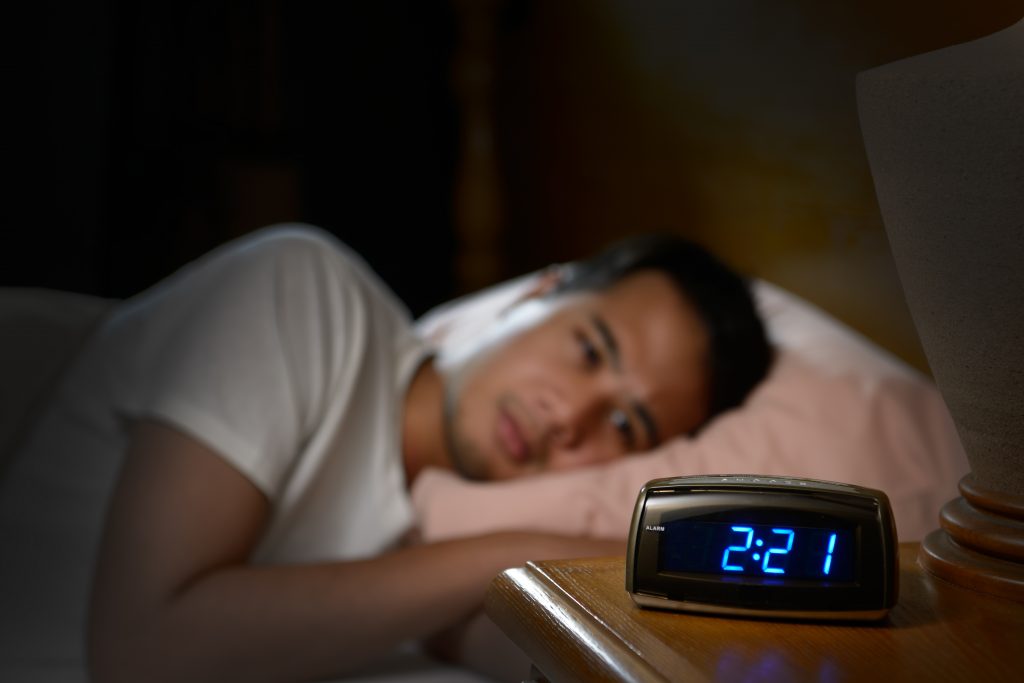
Introduction There is a bidirectional relationship between sleep and anxiety. On one hand, sleep deprivation has been found to cause anxiety disorders, while on the other hand, symptoms of anxiety-related disorders like Generalized anxiety disorder (GAD), Panic disorder, and Post-traumatic stress disorder (PTSD) commonly cause recurring nightmares and insomnia that affect the normal sleep cycle. Hence, it has become very difficult to separate what is the cause and what is the effect. Is it stress and anxiety that is making us sleep or less sleep that is making us more anxious? What is Anxiety? Anxiety is the human body’s response that warns us of potential danger, hence anxiety on a small scale is helpful for an individual. However, in anxiety disorders, the individual goes through intense, frequent, and continuous false alarms that may hinder your sleep-wake cycle. About 24% to 36% individuals with insomnia suffer from anxiety disorders. Of the individuals that suffer from PTSD, 68% have difficulty falling asleep. Relation between Sleep and anxiety Human sleep consists of two brain states i.e Non-rapid eye movement (NREM) and rapid eye movement (REM) recurring in cycles. These cycles are regulated by acetylcholine, norepinephrine, serotonin and histamine, and GABA neurotransmitters. Dysfunction of these neurotransmitter systems has been implicated in anxiety disorder. Relation between anxiety and sleep Anxiety is usually considered one of the symptoms of stress. Stress results in sleep arousal especially through the release of Corticotropin-Releasing Hormone (CRH) and Corticotropins. The CRH system dysregulation in the amygdala of the brain causes fear which is a symptom of anxiety. It also activated the HPA axis and sympathetic nervous system and is seen elevated in insomnia patients. Treatment for anxiety and sleep Medication for anxiety disorders usually helps improve sleep, similarly sleep medication has a profound effect on reducing anxiety. Medications for anxiety include antidepressants. Benzodiazepines may be prescribed to reduce feelings of panic. Beta-blockers are used to reduce blood pressure during an episode of anxiety while anticonvulsants are used to relieve the symptoms of anxiety disorders. Psychotherapy like Cognitive Behavioural Therapy (CBT) is helpful to train individuals in converting the panic-causing thoughts to positive ones. This therapy involves challenging negative thoughts, exposure therapy, and learning relaxation skills. CBT for insomnia (CBT-I) has been seen to help in managing anxiety disorders. Succes of this therapy are usually seen within 12 to 16 weeks. Some of the tips given by counselors to manage anxiety disorders include: Learning about the disorder and staying away from potential triggers Sticking to the treatment plan and routine of the disorder Reducing caffeine intake Avoiding consumption of alcohol and recreational drugs Exercising Relaxing and getting better sleep Hence, sleep and anxiety are very much linked to each other. Anxiety, Sleep, and COVID-19 During this COVID-19 out-break, negative emotions such as anxiety, depression, and anger in individuals have increased, due to factors such as getting infected with Covid-19, family members getting infected, loss of jobs, staying at home, physical isolation, and craving for human interaction and bonding. A new term called ‘Coronasomnia’ has been introduced to refer to sleep deprivation during the pandemic. A study published in the Journal of Sleep Research that studied the sleeping habits of people during the pandemic found that those people who had later sleeping schedules or shorter sleep cycles faced insomnia, anxiety, and stress. Conclusion Disturbance in sleep is a common symptom of anxiety disorder. It is not only important to identify and treat sleep disorders among patients with anxiety disorder but also among individuals who are not undergoing treatment for anxiety. To seek help or know more about sleep and anxiety, you can visit the Neurology and Sleep Centre, the 1st sleep centre in the country accredited by the Indian Board of Sleep Medicine at L-23, Hauz Khas Enclave, New Delhi, Delhi-110016 (INDIA) Or give a call on +91-11-46070321, +91-9643500270 References Staner L. Sleep and anxiety disorders. Dialogues Clin Neurosci. 2003 Sep;5(3):249-58. doi: 10.31887/DCNS.2003.5.3/lstaner. PMID: 22033804; PMCID: PMC3181635. Sher L. COVID-19, anxiety, sleep disturbances and suicide. Sleep Med. 2020 Jun;70:124. doi: 10.1016/j.sleep.2020.04.019. Epub 2020 Apr 25. PMID: 32408252; PMCID: PMC719505 Robillard, R., et al. (2020) Profiles of sleep changes during the COVID‐19 pandemic: Demographic, behavioural and psychological factors. Journal of Sleep Research.
Constant Use of Sleeping Pills Over a Long Time Makes Them Lose Their Magic

‘I have been taking sleeping pills for the past 5 years and they don’t seem to work anymore. What should I do now?”, is a common complaint amongst chronic users of sleeping pills. If you find it difficult to fall asleep at night or wake up tired, and use sleeping pills to sleep, you need to consider a few things first. Around 20% of people all over the world suffer from Insomnia and find it difficult to fall asleep at night and complain of waking up at frequent intervals during the night. Over a period of time, lack of sleep leads to other lifestyle diseases such as diabetes, obesity, and hypertension as well as an impact on mental health. Types of Insomnia Insomnia is a common sleep disorder. It may be for a short while (due to stress) or a chronic case (due to underlying conditions like anxiety, depression, or chronic pain). Short-term insomnia usually lasts for a few days or weeks while it is chronic when it persists for a minimum of three nights a week for at least three months. According to a National Health Interview Survey from the United States, around 19% of adults use at least one sleep medication for insomnia. Often, they resort to prescription drugs, dietary supplements containing melatonin, and over-the-counter medications as an aid for relaxing sleep. Are Sleeping Pills really useful? According to the American Academy of sleep medicine, the idea of using sleeping pills as aid is far-fetched as they only help in falling asleep 8 – 20 minutes faster and add around 20 – 35 minutes to the night sleep. Over a period, even lesser than 5 years, the body develops tolerance to the pills and thus it requires it in larger doses than prescribed to get the desired effect. Some prescription sleeping pills include Antidepressants, Benzodiazepines, Z-drugs Sleeping pills should only be used for a short time Sleeping pills are good and helpful only for a short time when one is coping with a difficult situation like a divorce or a death. According to The Journal of the American Medical Association, more than 68% of patients prescribed sleeping pills take them longer than it was advised and in larger doses than it was prescribed. This tendency can be a problem as these controlled substances are addictive. It poses a high risk that the patient may become dependent psychologically on sleeping pills. Use of sleeping pills for longer periods of time or in higher doses increases the chances that the person will experience negative side effects like: headaches dizziness and light headedness nausea and vomiting hallucinations depression daytime drowsiness, etc. How can one stop taking sleeping pills? If one is planning to stop taking sleeping pills, they should contact their doctor or health care provider, because their body may be accustomed to using of the pills and a sudden stop may lead to rebound insomnia or other withdrawal symptoms. How can one sleep better without sleeping pills? Cognitive Behavioural Therapy(CBT), which is a form of short-term counseling is a better alternative to sleep pills. It helps in learning and forming new and healthy habits, allowing one to relax and sleep better. Compared to sleeping pills, it is risk-free. Some tips for better and restful sleep. Establishing a Sleep-wake time table Avoiding substances that impair sleep, like caffeine, nicotine and alcohol Reducing screen time before you go to bed Relaxing with soothing music, a good book or meditation . Shutting off electronic devices at least 30 minutes before bedtime. Staying physically active during the day. Trying to get outside, if possible. Turning your bedroom into a dark, quiet and cool sanctuary. Conclusion In conclusion, sleeping pills should only be used for a very short amount of time and only if the insomnia is being caused by a traumatic event such as an accident, loss of a loved one, divorce, etc. Chronic use leads to a build of tolerance, and dependence and eventually, the effect of the sleeping pills will wear off completely. Hence, alternate behavior therapies instead of sleeping pills should be used. To seek help or know more about how to stop using sleeping pills, you can visit the Neurology and Sleep Centre, the 1st sleep centre in the country accredited by the Indian Board of Sleep Medicine at L-23, Hauz Khas Enclave, New Delhi, Delhi-110016 (INDIA) Or give a call on +91-11-46070321, +91-9643500270 References [a]. Uchimura N. (2012). Nihon rinsho. Japanese journal of clinical medicine, 70(7), 1100–1106. [b]. Reynolds, C. F., 3rd, & O’Hara, R. (2013). DSM-5 sleep-wake disorders classification: overview for use in clinical practice. The American journal of psychiatry, 170(10), 1099–1101. [c]. Schutte-Rodin, S., Broch, L., Buysse, D., Dorsey, C., & Sateia, M. (2008). Clinical guideline for the evaluation and management of chronic insomnia in adults. Journal of clinical sleep medicine : JCSM : official publication of the American Academy of Sleep Medicine, 4(5), 487–504. [d]. QuickStats: Percentage of Adults Aged ≥18 Years Who Took Medication To Help Fall or Stay Asleep Four or More Times in the Past Week, by Sex and Age Group — National Health Interview Survey, United States, 2017–2018. MMWR Morb Mortal Wkly Rep 2019;68:1150. [e]. Bertisch, S. M., Herzig, S. J., Winkelman, J. W., & Buettner, C. (2014). National use of prescription medications for insomnia: NHANES 1999-2010. Sleep, 37(2), 343–349. [f]. Choosing Wisely. Sleeping Pills for Insomnia. [g]. American Academy of Sleep Medicine. When to Take a Sleeping Pill for Insomnia. [h].Moore, T. J., & Mattison, D. R. (2018). Assessment of Patterns of Potentially Unsafe Use of Zolpidem. JAMA internal medicine, 178(9), 1275–1277.
Increased Eye Problems in People suffering from Obstructive Sleep Apnea
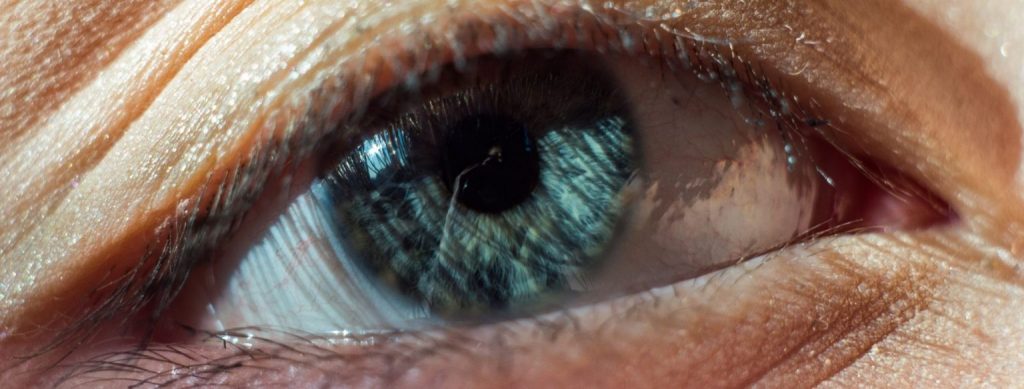
Introduction The word ‘Apnea’ means cessation of breathing. Obstructive sleep apnea (OSA) is the most common type of sleep apnea, in which the airway becomes narrowed, blocked, or floppy during sleep, thus causing disrupted sleep, loud snoring, and frequent awakening during sleep. The prevalence of OSA is predicted to rise with rising in obesity which is the most common risk factor. While cardiovascular, respiratory, metabolic disorders have been associated with OSA, it is also critical to recognize visual conditions that might be associated with OSA. Why does OSA occur? In OSA, during sleep, the muscles of the airway relax excessively, creating a negative pressure that pulls in the walls of the airway, obstructing or narrowing it, and causing interruptions in breathing. As a result of these obstructing events, oxygen saturation may also be reduced periodically. Desaturation of oxygen leads to the release of inflammatory cytokines and catecholamines, which are responsible for injury repair of blood vessels. Eye problems are seen in OSA sufferers. Ocular manifestations of OSA obtained from the mechanical and vascular effects of the syndrome include floppy eyelid syndrome, nonarteritic anterior ischemic optic neuropathy, central serous retinopathy, and glaucoma. Glaucoma Glaucoma is a condition in which there is chronic neuropathy of the optic nerve. It is the second-largest cause of blindness. People with OSA are more likely to suffer from Glaucoma. This is thought to occur because of recurrent hypoxia, increased vascular resistance, and oxidative stress damage to the optic nerve that happens during episodes of interrupted breathing. Moreover, studies have also shown that there is thinning of the retinal fiber layer, alteration of optic nerve head, choroidal and macular thickness and reduced visual field sensitivity in OSA patients who do not have Glaucoma, putting them at risk of developing it later. Collective data from numerous studies have suggested that patients with Obstructive Sleep Apnea have a 1.67 times higher risk of developing Glaucoma within the first five years of being diagnosed with OSA. According to a study carried out in 2008 and published in Eye among the American Population, around 27% of OSA patients developed Glaucoma. Floppy eyelid syndrome (FES) Floppy eyelid syndrome is a condition in which the upper eyelids easily turn in the upward direction. It is characterized by relaxing floppy eyelids presenting as recurrent or chronic ocular surface irritation and chronic papillary conjunctivitis of upper palpebral conjunctiva (common in obese patients). According to a study published in Sleep Medicine Reviews with FES patients, 96% of patients experienced symptoms associated with OSA. Nonarteritic Anterior Ischemic Optic Neuropathy (NAION) NAION is characterized by a sudden, painless, irreversible, and nonprogressive visual loss. A study published in the American Journal of Ophthalmology found that the chances of the development of NAION in patients with untreated OSA are increased by 16%. It may not be possible to reverse vision loss from NAION, treatment for OSA can help prevent an attack of NAION in the other eye, which occurs in 15 to 18 percent of cases. Central serous retinopathy (CSR) Central serous retinopathy results in an idiopathic detachment of the retina due to serous fluid collection beneath the retina. A study published in Sleep and Breathing found that CSR is associated with OSA. Circulating epinephrine and norepinephrine levels increase in patients with OSA, exerting endothelial dysfunction on the blood-retinal barrier, which may lead to the accumulation of subretinal serous fluid. Conclusion Patients with OSA show increased risk for several vision-threatening ocular conditions. Ophthalmologists may spot signs of visual conditions linked with sleep apnea using a tool such as the Epworth Sleepiness Scale or Berlin Questionnaire or order a sleep study, allowing them not only to detect ocular manifestations associated with OSA at a stage early enough to maintain and restore vision but also to help in the management and prevention of well-known systemic comorbidities. To seek help or know more eye problems associated with OSA, you can visit the Neurology and Sleep Centre, the 1st sleep center in the country accredited by the Indian Board of Sleep Medicine at L-23, Hauz Khas Enclave, New Delhi, Delhi-110016 (INDIA) Or give a call on +91-11-46070321, +91-9643500270 References Park, J. G., Ramar, K., & Olson, E. J. (2011). Updates on definition, consequences, and management of obstructive sleep apnea. Mayo Clinic Proceedings, 86(6), 549–555. Leger, D., Bayon, V., Laaban, J. P., & Philip, P. (2012). Impact of sleep apnea on economics. Sleep medicine reviews, 16(5), 455–462. Gozal, D., & Kheirandish-Gozal, L. (2008). Cardiovascular morbidity in obstructive sleep apnea: oxidative stress, inflammation, and much more. American journal of respiratory and critical care medicine, 177(4), 369–375. Nácher, M., Farré, R., Montserrat, J. M., Torres, M., Navajas, D., Bulbena, O., & Serrano-Mollar, A. (2009). Biological consequences of oxygen desaturation and respiratory effort in an acute animal model of obstructive sleep apnea (OSA). Sleep medicine, 10(8), 892–897. Santos, M., & Hofmann, R. J. (2017). Ocular Manifestations of Obstructive Sleep Apnea. Journal of clinical sleep medicine : JCSM: official publication of the American Academy of Sleep Medicine, 13(11), 1345–1348. McNab A. A. (2007). The eye and sleep apnea. Sleep medicine reviews, 11(4), 269–276. Miyamoto, C., Espírito Santo, L. C., Roisman, L., Moreno, P., Cariello, A. J., & Osaki, M. H. (2011). Floppy eyelid syndrome: review. Arquivos brasileiros de oftalmologia, 74(1), 64–66. Gaier, E. D., & Torun, N. (2016). The enigma of nonarteritic anterior ischemic optic neuropathy: an update for the comprehensive ophthalmologist. Current opinion in ophthalmology, 27(6), 498–504. Stein, J. D., Kim, D. S., Mundy, K. M., Talwar, N., Nan, B., Chervin, R. D., & Musch, D. C. (2011). The association between glaucomatous and other causes of optic neuropathy and sleep apnea. American journal of ophthalmology, 152(6), 989–998.e3. Huon, L. K., Liu, S. Y., Camacho, M., & Guilleminault, C. (2016). The association between ophthalmologic diseases and obstructive sleep apnea: a systematic review and meta-analysis. Sleep & breathing = Schlaf & Atmung, 20(4), 1145–1154. Bendel, R. E., Kaplan, J., Heckman, M., Fredrickson, P. A., & Lin, S. C. (2008). Prevalence of glaucoma in patients with obstructive sleep apnoea—a cross-sectional case series. Eye, 22(9), 1105-1109.